

The idea of early childhood education benefits may sound academic, yet its impact is deeply personal. It often begins with a simple change. A child starts expressing emotions more clearly. Daily routines feel calmer. Curiosity becomes more focused. Across homes in the United States and Europe, parents notice these shifts soon after their children enter supportive early learning environments. While these moments feel small, research shows they quietly shape the entire course of child development.
Early childhood education does not only prepare children for school. It prepares them for life. Nearly ninety percent of brain development happens before age five, according to global neuroscience research. During this short window, experiences form patterns that influence learning, health, and emotional stability for decades. When children grow within safe, responsive environments, the benefits extend far beyond academics.
The early brain develops at remarkable speed. Neural connections form through everyday experiences such as conversation, movement, and emotional bonding. Studies from Harvard’s Center on the Developing Child show that warm, responsive learning environments strengthen brain pathways linked to memory, attention, and self-control.
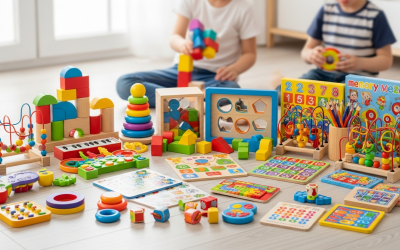
In many European preschool systems, learning begins with exploration rather than instruction. A child building with blocks absorbs early problem-solving skills. Group storytelling strengthens attention and empathy. These experiences activate multiple brain regions at once, helping learning become integrated rather than fragmented.
Long-term evidence supports this approach. The well-known Perry Preschool Project in the United States followed children into adulthood. Participants were more likely to finish school, maintain employment, and experience stable mental health. These outcomes were traced back to early cognitive and emotional development, not later intervention. When learning begins early, the brain learns how to adapt.
Emotional development is often overlooked, yet it forms the foundation of lifelong mental health. Early childhood education benefits emotional regulation by offering daily opportunities for cooperation, empathy, and communication. Children learn how to manage frustration, share space, and understand others.
Scandinavian early education models treat emotional safety as essential. Educators help children identify feelings before introducing structured tasks. Research published in Child Development shows that children who develop emotional regulation early experience lower anxiety and stronger social bonds later in life.
A German case study comparing play-based and academically rigid kindergartens found fewer behavioral challenges among children exposed to emotional literacy. Parents also reported calmer home environments. This connection between emotional balance and overall well-being mirrors themes explored in TheGangchil.com’s article on stress and nutrition balance, where emotional regulation is shown to influence physical health.
Language shapes how children think, connect, and understand themselves. Early childhood education benefits language development through constant conversation, storytelling, and attentive listening. UNESCO reports that children exposed to rich language environments before age five develop stronger literacy skills regardless of background.
In the United States, Head Start programs demonstrate consistent improvement in expressive language. Educators who ask open-ended questions and encourage discussion help children build confidence in communication.
A long-term study from the United Kingdom found that strong early language skills were linked to higher self-esteem during adolescence. Parents often notice these changes naturally. Questions become more thoughtful. Stories grow richer. These signs reflect deeper cognitive organization and emotional security.
Play is not the opposite of learning. It is one of its most powerful forms. Play-based early childhood education benefits creativity, reasoning, and adaptability. During imaginative play, children experiment with cause and effect while developing flexible thinking.
Finland offers a clear example. Formal academics begin later, yet students consistently perform well in global assessments. Researchers attribute this success to early cognitive flexibility developed through play.
Outdoor play-focused preschools in the Netherlands show similar results. Children demonstrate stronger attention spans and problem-solving skills compared to peers in worksheet-driven settings. Play also supports emotional release, helping children process experiences safely. This approach aligns with holistic wellness ideas discussed throughout TheGangchil.com, particularly in articles focusing on balance and natural routines.
Mental health begins early. Consistent routines, emotional validation, and safe relationships shape how children cope with stress. Early childhood education benefits mental health by introducing predictable environments where children feel supported beyond the home.
Research published in The Lancet Psychiatry shows that early social-emotional learning reduces the risk of anxiety and depression later in life. In Canada, early programs integrating simple mindfulness practices improved emotional regulation among participants.
Families benefit as well. Parents often experience reduced stress when children attend nurturing programs. Healthier routines emerge at home, reinforcing the interconnected wellness principles frequently explored on TheGangchil.com.
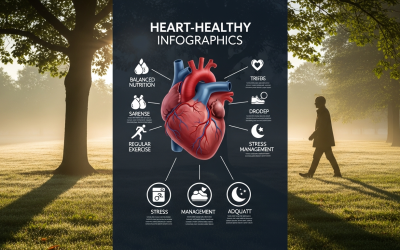
Physical development supports cognitive growth. Early childhood education benefits physical health by encouraging movement during critical growth stages. The World Health Organization emphasizes that active play in early years supports coordination and long-term cardiovascular health.
Many European programs integrate outdoor activity daily. Children climb, balance, and explore, building confidence and strength. French preschool studies show lower childhood obesity rates where movement is part of routine rather than optional.
Physical activity also improves focus and emotional balance. When movement becomes natural, learning feels easier. This mind-body connection reflects sustainable wellness concepts often highlighted in TheGangchil.com’s health-focused content.
The impact of early childhood education extends beyond individuals. It strengthens communities. Economist James Heckman’s research shows that early education delivers higher long-term returns than later intervention, especially in underserved populations.
US states with universal pre-kindergarten programs report higher graduation rates years later. European countries with accessible early education show reduced achievement gaps. In Spain, inclusive early programs helped immigrant families integrate faster, benefiting both children and parents.
When societies invest early, they support long-term public health, economic resilience, and social trust.
Early education works best when families are involved. OECD research shows that parental engagement amplifies learning outcomes. Educators who share simple routines, such as shared reading or emotional check-ins, create continuity between school and home.
Italian studies on parent-educator collaboration found improved social skills in children and reduced anxiety in parents. These small, consistent habits echo TheGangchil.com’s philosophy of sustainable, realistic lifestyle change.
Perhaps the greatest early childhood education benefit is a love of learning. When children associate learning with curiosity rather than pressure, motivation lasts longer. The American Psychological Association links intrinsic motivation in early years to lifelong educational engagement.
Japanese early education emphasizes patience and mastery without comparison. US case studies following play-centered preschools show adults who view learning as meaningful rather than stressful. Early experiences shape identity quietly, yet powerfully.
Early childhood education benefits touch every layer of child development. Brain architecture, emotional health, physical well-being, and social stability all begin early. In a world facing rising stress and mental health challenges, early education offers a grounded, evidence-based solution.
For children, it builds confidence and belonging. For families, it offers support. For societies, it creates resilience. Readers exploring holistic approaches to family wellness can continue with related insights on TheGangchil.com, including articles on mindful routines and balanced living that naturally complement early learning foundations.
Posted 12:29 am | Tuesday, 13 January 2026
| nm